A Retro Christmas Design for Modern Embroidery Projects
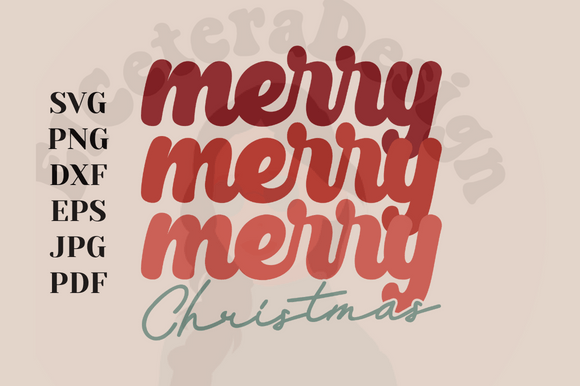
When a design file lands in my digital library, my first question isn't about its specs. It's about its soul. The Merry Christmas Retro Design, as a piece of illustrative art, immediately presents a specific mood: nostalgic charm with a clear, graphic personality. This isn't a hyper-detailed, photorealism piece. It feels like a vintage greeting card or a classic holiday print—clean lines, a likely emphasis on shape over minute detail, and a visual language that speaks to warmth and tradition. For an embroidery designer, that’s a promising starting point. It suggests a design that will translate into stitches without losing its core appeal.
The First Impression: Where This Design Belongs
The mood it creates is key. This retro aesthetic has a broad, friendly appeal. It doesn't scream "luxury" or "minimalist"—it whispers "heartfelt" and "celebratory." In my mind, I’m already picturing it on a cozy, ribbed-knit sweatshirt for a holiday gift, or as a cheerful focal point on a canvas tote bag meant for carrying festive treats. Its illustrative nature means it likely belongs on projects where the design itself is the star, not an accent. Think of it anchoring a pillow cover for a seasonal living room refresh, or standing proudly on the bib of a baby’s holiday-themed outfit. For small business owners and Etsy sellers, this kind of design can become a staple product—a classic embroidered tea towel or apron that customers seek out year after year for their own homes or as go-to gifts.
Translating Graphics into Stitched Reality
Moving from a digital graphic to a physical embroidered product is the real test. Here’s where an experienced eye thinks through the practicalities. Given its category as an illustration, I assess its layout for embroidery suitability. Designs with clear, defined shapes and a balanced composition are easier for machines to interpret cleanly. I consider how the various elements—the lettering, any decorative motifs—will break down into stitch types. Will "Merry Christmas" be rendered in a clean satin stitch for boldness, or a running stitch for a lighter feel? The file formats included—SVG, PNG, DXF—are common for vector-based graphics, which is excellent for scaling, but the final embroidery file's stitch density and pathing are what matter on the fabric.
For a real-life scenario, let’s say I’m preparing a batch of custom embroidered sweatshirts for a small shop’s holiday lineup. I’d be thinking about how this retro design will look after stitching. On a medium-weight sweatshirt fabric, a design with good, but not overwhelming, detail will hold up beautifully. I’d consider thread color contrast—perhaps a classic red and white scheme against a heather gray fabric to enhance the retro vibe. The customer reaction I’d anticipate is one of instant recognition and warmth; it’s a familiar, joyful sentiment rendered in a stylish, timeless way. This directly boosts the perceived value of the handmade product.
Where Careful Consideration is Needed
No design is universally perfect for every application. With a festive illustration like this, its best fit is on stable, prominent surfaces. I would use it carefully on highly textured fabrics like deep terry cloth, where fine details might get lost, or on very stretchy materials like thin jersey without meticulous stabilizer choice. Small hoop sizes could be a challenge if the design has intricate corners or tiny lettering; scaling it down too much might compromise stitching clarity. Embroidering it on curved surfaces like caps requires checking how the design distorts in the digitizing software before committing.
Dark fabric backgrounds are a classic choice for holiday items, but they demand excellent thread coverage in the design’s fill areas to prevent the base fabric from showing through and dulling the cheerful colors. For products destined for frequent washing, like kitchen towels or baby items, a robust stitch density and durable threads are non-negotiable to maintain that crisp, professional look over time. These considerations protect customer trust and your brand’s reputation for quality.
Affecting Appeal and Professionalism
A well-executed embroidery of this design affects far more than just aesthetics. It influences customer engagement. On a mockup for an Etsy listing or a craft fair display, a cleanly stitched retro Christmas motif communicates competence. It tells a potential buyer that you understand both craft and style. For a personalized gift, such as an embroidered blanket for a grandparent, it adds a layer of thoughtful, handmade presentation that a generic store-bought item lacks. For commercial embroidery projects, perhaps for a boutique’s branded holiday aprons, it ensures brand consistency—the design’s personality becomes part of the shop’s seasonal identity. Its giftability and recognition are inherently high due to its clear theme, which is a boon for creative entrepreneurs.
Practical Notes for the Embroidery Designer
Before loading any hoop with this Merry Christmas Retro Design, my routine is consistent. First, a test on scrap fabric of the same type as the final project. This reveals the truth about stitch density, thread color interaction, and how small details render. I check the design in both black and white digital mockups to understand its form stripped of color. Comparing how it looks on a light versus a dark fabric background in these previews helps plan thread palettes.
Using proper stabilizer is paramount, chosen for the specific fabric—no shortcut here. I also inspect the provided files. While the product includes common graphic formats, the actual machine embroidery file would need to be created or sourced separately for stitching. This is a crucial step; the SVG or DXF is the art source, not the embroidery path. Furthermore, I always confirm the licensing terms for the design asset before selling finished items or digital products. Does it allow for commercial use of the embroidered goods? This is a fundamental check for small business owners and apparel decorators to avoid future issues.
In essence, the Merry Christmas Retro Design presents a wonderful illustrative foundation for a range of holiday-themed embroidery projects. Its retro charm is its biggest asset, inviting application on gifts, apparel, and home decor that aim for a classic, heartfelt feel. By approaching its translation into stitches with practical, tested steps—from fabric choice to licensing—you can leverage its appeal to create finished products that resonate deeply with customers and elevate your craft business’s holiday offerings.