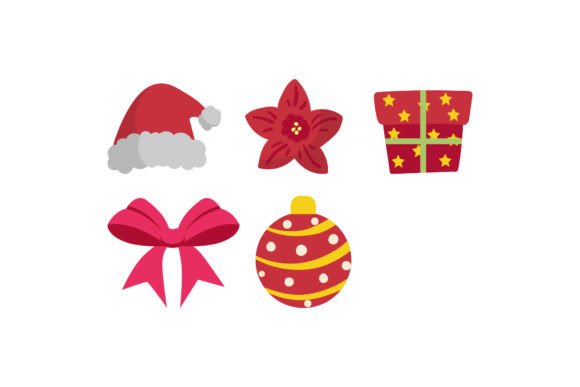
Christmas Concept: An Embroidery Designer's Practical Review
First Impressions: A Cohesive Holiday Mood
Opening the Christmas Concept file, my immediate thought was that this is a design built for mood, not just motif. It feels cohesive. The visual personality isn’t overly frantic or childish; it presents a classic, bundled holiday sentiment that’s versatile. As an embroidery designer, I look for layouts that translate well from screen to stitch, and the shape and theme here seem to naturally belong to projects where you want a clear, recognizable holiday centerpiece.
Where This Design Thrives in Real Projects
In my work, a design’s true value is proven on the hoop and on the product. For Christmas Concept, I envision several standout applications.
Imagine preparing a custom embroidered tote bag for a holiday market. This design, with its balanced layout, would stitch out cleanly on the bag’s fabric, becoming a premium, reusable gift itself. The same goes for a high-quality sweatshirt—the kind a small shop might sell as boutique merchandise. It would elevate a simple garment into a special, giftable piece.
I also see strong potential for personalized holiday gifts like pillow covers or kitchen towels. The design’s illustrative nature lends itself to home decor. For a crafter making baby items, perhaps a holiday-themed blanket or nursery decor piece, the concept could offer a sweet, non-commercial feel. As an Etsy seller, listing an embroidered patch using this design would likely attract buyers looking for a handmade touch to add to their own projects.
Thinking Like a Customer
When I evaluate a machine embroidery design for commercial use, I always step into the customer’s perspective. How does the finished product look in their hands? Christmas Concept strikes me as having strong visual appeal and stitching clarity, which directly builds customer trust. A clean, well-defined embroidered piece feels professional and increases the perceived value of a handmade product. For a creative entrepreneur, this supports brand consistency across items like caps, aprons, or tea towels sold during the season.
Careful Considerations for Stitching Success
No design is perfect for every scenario, and practical judgment is key. With Christmas Concept, certain applications require more forethought.
If you’re planning to embroider on a curved surface like a cap, scrutinize the design’s detail level in your software first. Smaller hoop sizes might compress some elements. On textured or stretchy fabrics, the stitch density and any potential dense fill stitch areas need proper stabilizer support to prevent puckering. Embroidering on dark fabric always demands a review of thread color contrast—some details might need adjustment to remain clear.
Also, consider the product’s lifespan. For items needing frequent washing, like baby clothes or everyday kitchen towels, ensure the design isn’t so intricate that tiny lettering or very small decorative accents could become fragile over time. The beauty of a digital embroidery file like this is its adaptability; you can sometimes simplify areas for durability.
Practical Designer Notes Before You Hoop
My routine before any real embroidery project involves a few critical steps, and I’d apply them all to Christmas Concept.
- Always test on scrap fabric first. Use the same material and stabilizer you plan for the final product. This reveals how the satin stitches or fill stitches behave.
- Check it in black and white mockups. Viewing the design without color helps you see the pure structure and identify any overly thin lines or details that might vanish in stitching.
- Compare light and dark fabric backgrounds in your software. This preview helps plan thread choices and anticipate if you need an underlay for better pop on dark fabrics.
- Inspect the small details. Zoom in closely on the provided AI or SVG file. Confirm that all elements are clean and closed paths, suitable for embroidery conversion.
- Confirm the licensing. The product description notes its use for shirts, clothes, posters, and more, but before selling finished items or using it in commercial embroidery projects, verify the specific license terms for your intended use.
A Natural Fit for Craft Businesses
For the digital product seller or the apparel decorator running a small business, Christmas Concept acts as a solid design asset. It can be used for printable mockups to preview products, or directly stitched for craft fair inventory. Its strength lies in its adaptability across multiple formats, which is crucial for creative entrepreneurs who operate in several niches—from custom apparel to printable cards.
The Final Verdict: A Versatile Holiday Foundation
Reviewing Christmas Concept from the point of view of real embroidery work, I find it a practical, mood-setting foundation for holiday projects. It doesn’t feel like a generic marketing graphic; it has an illustrative personality that can translate into a thoughtful, handmade presentation. For personal gifts or small shop merchandise, it adds a layer of recognition and professionalism.
The key to success, as with any embroidery file, is to marry the design with the right project. It won’t magically fit every fabric or every product type, but with the careful testing and planning that any experienced designer employs, Christmas Concept can become a reliable part of your holiday season workflow, helping create finished products that resonate with buyers and gift receivers alike.