A Designer's Real-World Review of the Christmas Tree Icon
The Initial Impression: More Than Just a Holiday Clipart
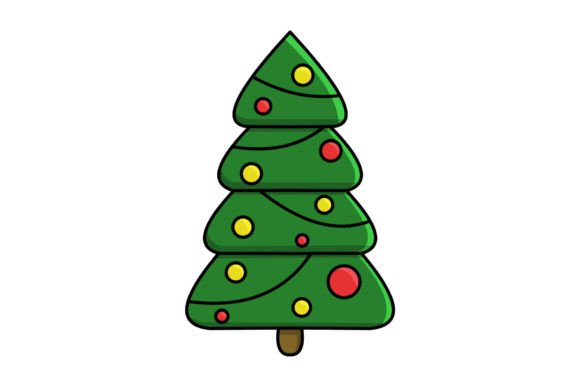
When you first open the Christmas Tree Icon Illustration, its charm is immediately apparent. It’s not a hyper-realistic, overly detailed tree; it’s a stylized, clean graphic with a friendly, almost nostalgic personality. The shape is balanced and iconic, built from simple layers that suggest a hand-drawn quality. This isn’t a design that shouts; it whispers “holiday cheer” in a modern, versatile way. For embroidery, that’s a promising start. It creates a mood of warm, understated celebration, perfect for projects that need a touch of festivity without being overwhelming. I see this belonging naturally on cozy, everyday items rather than formal decor—think a family’s annual holiday sweatshirt or a gift for a friend who loves subtle style.
Where This Design Thrives in Real Projects
Let’s walk through a scenario. I’m preparing a batch of custom embroidered tote bags for my small shop’s holiday market. The Christmas Tree Icon Illustration arrives as a digital embroidery file. Its clear, solid shapes translate beautifully into stitch plans. The defined layers would work wonderfully as distinct satin stitch or fill stitch areas, creating a crisp, polished look on the bag’s canvas. On a baby’s blanket or a set of linen pillow covers, this design would stitch out with lovely clarity, offering a sweet, safe motif without sharp corners or tiny details that could snag. For a embroidered patch, its bold outline and internal spaces would make it easy to stitch and applique, resulting in a professional-looking piece ready to iron onto a cap or apron.
Thinking broader, this graphic is a powerhouse for craft business versatility. As an Etsy seller, I could use the included PNG and JPG files for printable mockups of my finished products, instantly elevating my listings. The SVG file means I can easily scale it for different hoop sizes without losing quality—from a small accent on a tea towel’s corner to a larger centerpiece on a sweatshirt. Its simplicity enhances visual appeal and stitching clarity, which directly boosts the perceived value of the handmade product. A customer sees a clean, well-executed embroidery; that builds customer trust and reinforces your brand’s professionalism. This design feels giftable—it’s recognizable yet unique, making personalized gifts like monogrammed holiday kitchen towels or a child’s first Christmas bib feel special and thoughtfully designed.
Practical Considerations and Areas for Caution
While the Christmas Tree Icon Illustration is adaptable, a practical designer must always consider context. Its success hinges on proper execution. On very small hoop sizes, some of the internal decorative accents might become too dense, risking high stitch density that could pucker thin fabrics like lightweight t-shirts. It’s a design best suited for medium-sized applications where its form can breathe. On heavily textured fabrics like some sweaters, the clean lines might get lost; a good stabilizer choice is crucial here.
Embroidering onto dark fabric demands careful thread color contrast planning—the tree’s outline needs to pop. And while the shape is lovely, applying it to curved surfaces like the crown of a cap requires testing to ensure the broader base sits well without distortion. For products destined for frequent washing, like baby clothes or aprons, you’d want to ensure the stitch coverage is solid enough to withstand wear without fraying. These aren’ flaws of the design, but simply the realities of translating any digital graphic into a physical, stitched finished product.
Essential Designer Notes Before You Stitch
My strongest advice is to treat this as a professional embroidery project, not just a quick upload. Test the design on scrap fabric first, using the same material and weight as your final product. This reveals how the stitch density behaves and whether any small details need slight adjustment. Check it in both light and dark fabric background mockups to finalize your thread palette. Inspect the design files carefully; while the canvas size is provided, confirm the actual stitch count and machine embroidery design compatibility with your equipment from your digitizing software. Crucially, before selling any custom apparel or commercial embroidery items, confirm licensing for the digital files. The description states it’s easy to edit and use in your designs, but clarify if this includes commercial use of the stitched end products. Protecting your small shop product from legal issues is part of professional practice.
Final Judgment: A Versatile Asset for Creative Hands
From the viewpoint of someone who turns graphics into thread daily, the Christmas Tree Icon Illustration is a reliable, stylish asset. It doesn’t try to do everything; it does its specific thing very well. It brings a consistent, friendly visual personality to holiday projects, strengthening brand consistency if you use it across a line of holiday embroidery merchandise. Its ease of integration into various design assets—from digital previews to physical stitches—makes it a efficient choice for creative entrepreneurs under time pressure. It won’t single-handedly make your product, but it will elevate it with clean, cheerful execution. When a customer receives that embroidered tote bag or pillow, they’re seeing a thoughtful application of a well-chosen design—and that’s where the real buyer engagement happens. It’s a design I’d confidently pull into my holiday workflow for both personal joy and professional results.